Preparation That Streamlines Construction Timelines
Site Preparation in Rutherfordton for residential builds requiring coordinated land development
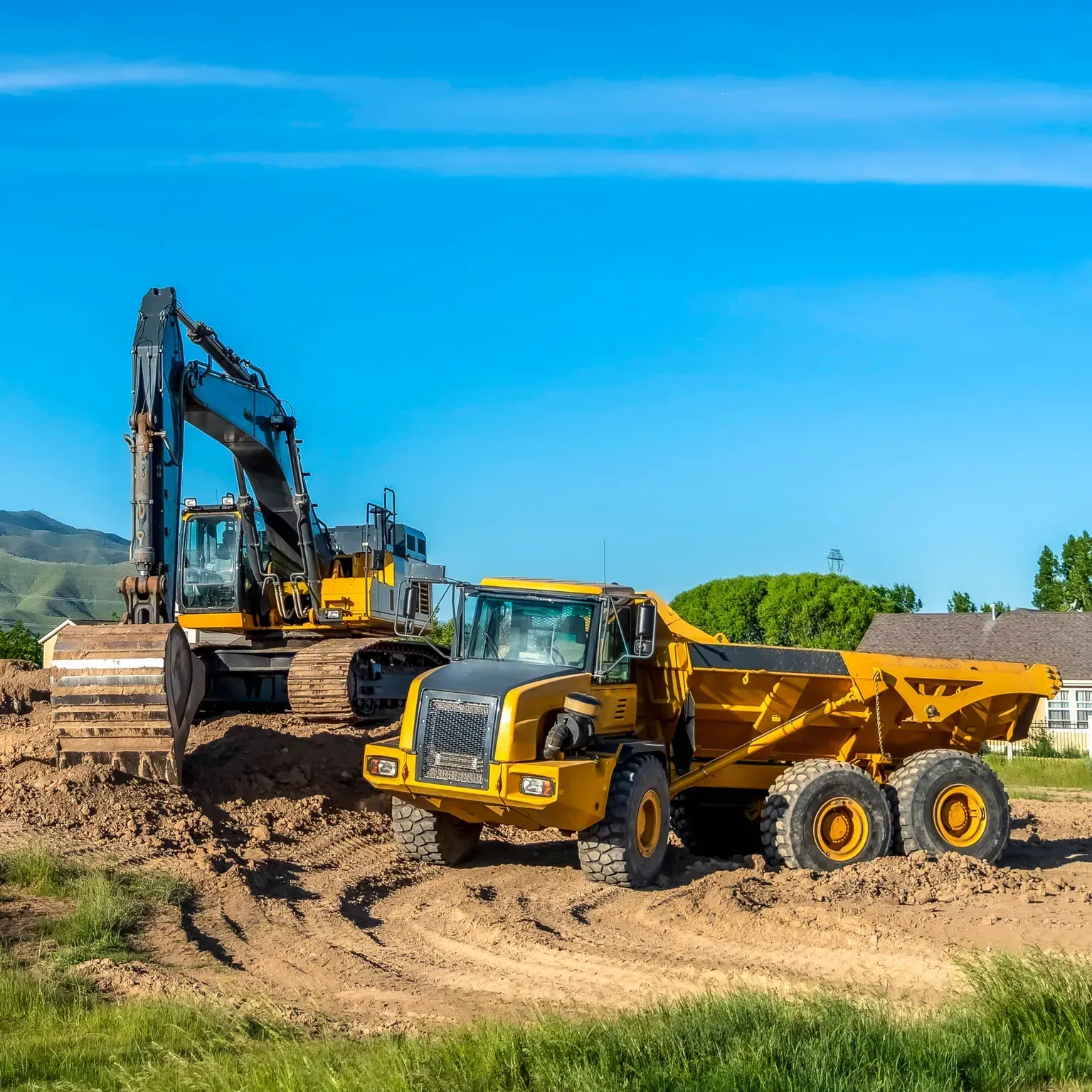
Sloped terrain, variable soil conditions, and wooded lots common in the Rutherfordton area demand coordinated site preparation that sequences clearing, grading, and leveling so each step builds on the previous without rework or delays. Rock Solid Grading and Excavating handles full-service preparation including vegetation removal, soil shaping, and drainage establishment for residential builds and property upgrades. Coordinating multiple steps into one streamlined process prevents gaps in the construction schedule and ensures builders arrive to a site ready for foundation work or utility installation.
Site preparation begins with clearing trees and brush from building zones and access routes, followed by rough grading to establish building pad elevations and primary drainage slopes, then finish grading to create precise surfaces for concrete pours or utility trenches. The sequence accounts for soil movement—material excavated from one area fills low spots elsewhere on the property, reducing the need to import or haul fill and minimizing project costs.
Arrange a complete project planning session to review preparation requirements and receive a comprehensive estimate.
How Site Preparation Addresses Construction Readiness
Comprehensive site preparation involves establishing building pad elevations that place foundations above seasonal water tables, creating access roads that support concrete trucks and material deliveries without rutting, and installing temporary drainage measures that keep the site workable during rain events. Operators compact fill areas in lifts to prevent settling under structural loads, shape pad perimeters to define grading transitions, and preserve topsoil stockpiles for final landscaping after construction completes. Each decision affects how well the site supports subsequent construction phases.
Once site preparation is finished, the building pad sits level and firm enough for foundation crews to set forms without shimming or releveling, utility trenches follow planned routes without encountering unexpected obstacles, and equipment can move across the site without creating mud or disturbing completed work. Survey stakes remain visible and undisturbed, drainage swales channel runoff away from active work zones, and material staging areas provide stable surfaces for lumber stacks and equipment parking.
Site preparation often includes installing temporary erosion controls like silt fences or gravel construction entrances, coordinating utility rough-ins with excavation work, and scheduling final grading to occur after heavy construction traffic ends. The scope varies based on property conditions—flat lots may need only clearing and light grading, while steep wooded sites require extensive cut-and-fill work to create usable building platforms.
Homeowners planning construction projects want to understand how site preparation sequences with other work and what conditions indicate a site is ready for builders.
Answers to Frequent Service Questions
What does full-service site preparation include?
The process covers land clearing to remove vegetation and debris, rough grading to establish pad elevations and drainage patterns, finish grading to create precise surfaces for construction, erosion control installation, and coordination with utility providers for service line placement.
How does site preparation prevent long-term structural issues?
Proper pad grading ensures foundations sit on undisturbed or properly compacted soil rather than loose fill that settles unevenly, drainage planning prevents water from undermining foundations or saturating crawl spaces, and clearing eliminates decaying root systems that create voids under slabs or footings.
What makes a building pad ready for foundation work?
The pad surface should be level within tolerances specified by building plans, free of organic material or loose soil that compresses under load, sloped to drain away from the building footprint, and stable enough that workers and equipment don't sink or create ruts during concrete placement.
When should site preparation begin relative to construction?
Preparation typically occurs two to four weeks before foundation crews arrive, allowing time for soil to settle after grading, erosion controls to establish, and any weather delays to be absorbed without pushing back the construction schedule.
How do local terrain conditions affect site preparation?
Sloped lots in this region often require retaining walls or tiered grading to create level building pads, rocky subsoil may demand additional excavation equipment and time, and seasonal water flow patterns influence drainage design to prevent erosion during the heavy rainstorms common in western North Carolina.
Rock Solid Grading and Excavating coordinates site preparation with builders, surveyors, and utility companies to ensure the property is construction-ready on schedule. Schedule a consultation to discuss your building timeline and receive a detailed preparation plan.