Land Shaping That Prevents Water Damage
Grading in Rutherfordton for properties with sloped lots and drainage challenges
Water pooling near foundations, driveways that channel runoff toward buildings, and uneven yards that erode during heavy rain all trace back to improper land slope. Rock Solid Grading and Excavating provides rough grading and finish grading for residential lots, driveways, and building pads in Rutherfordton, shaping terrain so water moves predictably away from structures and paved surfaces. On sloped and uneven terrain common in this area, grading work establishes consistent fall angles that prevent standing water while preserving usable yard space.
Rough grading sets the overall slope pattern by moving larger volumes of soil to create building pads, swales, and drainage pathways, while finish grading smooths surfaces to final elevations for lawn installation, concrete pours, or hardscaping. Grading plans account for natural drainage patterns, existing vegetation that affects runoff, and transitions between different surface materials that require specific slope percentages.
Schedule a site evaluation to identify grading adjustments that address water flow and property usability.
What Proper Grading Requires
Effective grading for residential properties involves establishing minimum slopes of two percent away from foundations to prevent water infiltration, creating crowned driveways that shed water to both sides rather than channeling it toward garage doors, and shaping transitional areas where lawn meets hardscape so runoff doesn't undercut pavement edges. Grading equipment operators use laser levels or grade stakes to maintain consistent slope across large areas, adjusting blade angles incrementally to avoid creating dips or humps that interrupt water flow.
Once grading is finished, rainwater visibly sheets across the yard toward drainage swales or street gutters instead of pooling in low spots, foundation perimeters remain dry after storms, and driveways shed water without creating erosion channels in adjacent landscaping. The property surface appears smooth and intentional rather than patched or uneven, and lawn areas drain quickly enough to support healthy grass growth without soggy zones.
Grading work often includes topsoil placement after rough shaping is complete, compaction of fill areas to prevent future settling, and coordination with landscapers or concrete contractors to ensure finished grades match project plans. Some properties require regrading only in problem areas, while others benefit from comprehensive slope adjustments during new construction or major renovations.
Property owners dealing with drainage problems or preparing land for construction typically want to understand how grading changes their terrain and what results to expect.
Common Questions About This Service
What is the difference between rough grading and finish grading?
Rough grading shapes the land to approximate elevations and establishes major drainage patterns using heavy equipment, while finish grading fine-tunes surface smoothness and exact slopes with smaller blades or hand tools, preparing the surface for sod, seed, or paving.
How does grading address water pooling near my foundation?
Grading creates positive slope away from the building by adding fill soil near the foundation or removing soil from low areas farther out, ensuring water flows toward the yard perimeter or designated drainage features rather than collecting against basement walls or crawl spaces.
What factors affect grading costs?
Soil volume that needs moving, distance material must be hauled or redistributed, existing slope steepness, presence of rock or roots that slow equipment progress, and whether topsoil must be stripped and replaced all influence project hours and equipment requirements.
When should I regrade my property?
Visible water pooling after rain, foundation cracks or moisture intrusion, eroded pathways in the yard, or settling around new construction all indicate grading problems that worsen over time without correction, making intervention more effective before structural damage occurs.
How is graded soil stabilized to prevent erosion?
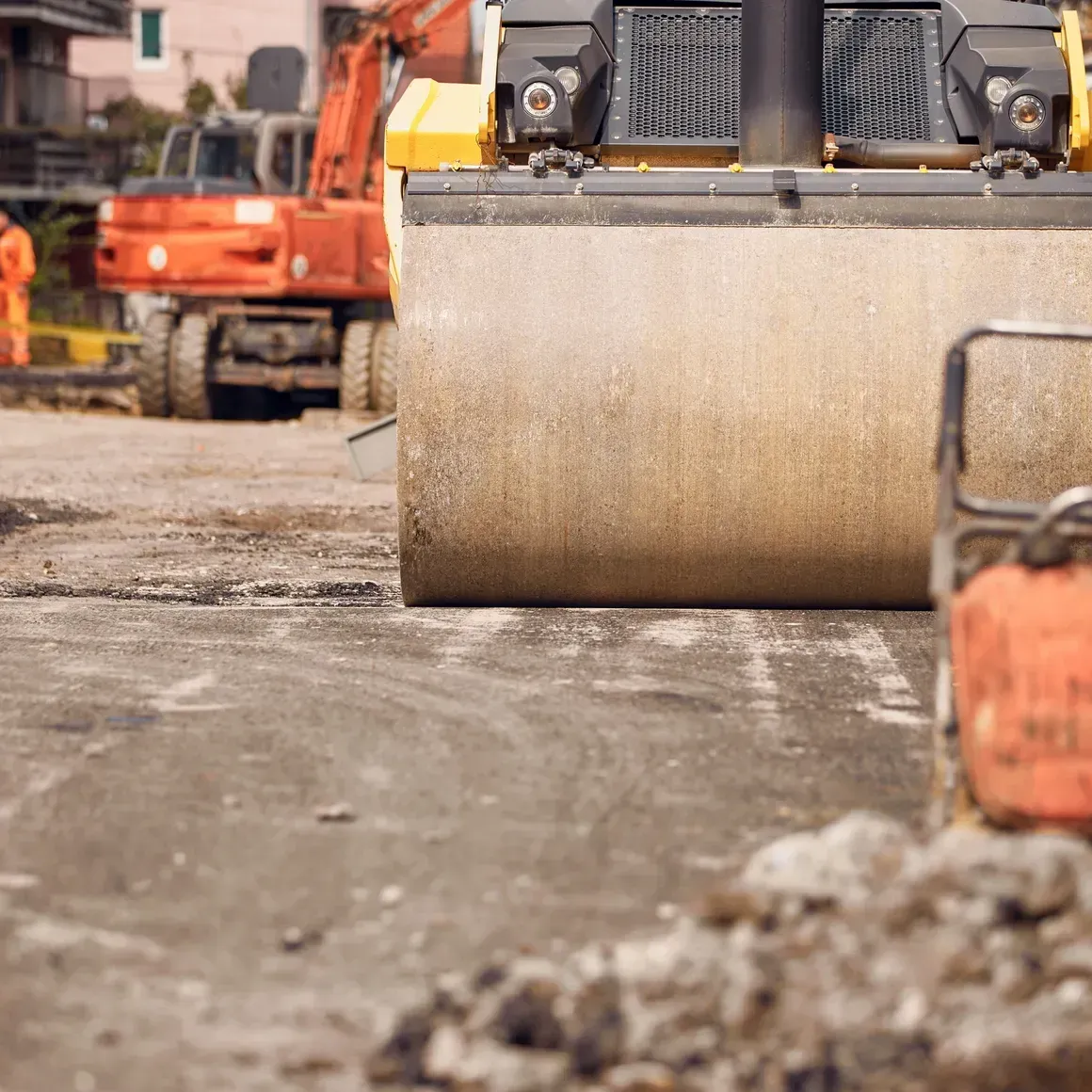
Compaction using vibratory rollers or plate compactors increases soil density in fill areas, while hydroseeding or erosion blankets protect slopes until vegetation establishes root systems that hold soil in place during storms common in the Rutherfordton area.
Rock Solid Grading and Excavating evaluates drainage patterns, slope angles, and soil conditions during site visits to recommend grading solutions tailored to your property layout. Arrange a free consultation to review grading needs and receive a project estimate based on current land conditions.