Water Features That Function and Last
Pond Restoration and Installation in Rutherfordton for properties wanting recreational water features, livestock ponds, or restoration of failing existing ponds
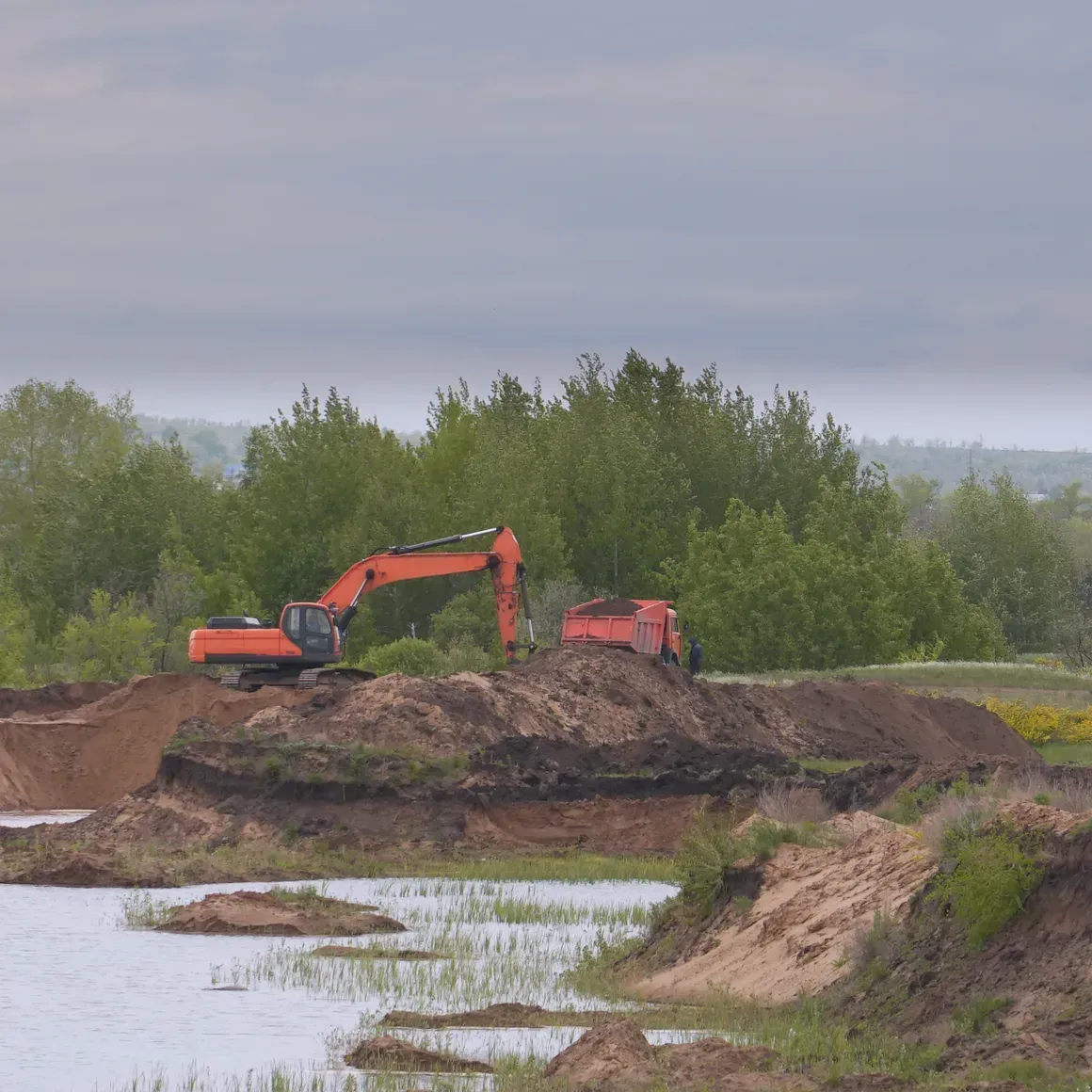
Heavy rainfall in Western North Carolina means ponds either hold water reliably or they don't—there's rarely middle ground. A properly constructed pond maintains its water level through dry periods, handles overflow during storms without breaching the dam, and doesn't lose water to seepage through poorly compacted embankments. Rock Solid Grading and Excavating handles pond restoration and new installation across Rutherfordton by excavating to appropriate depth, building embankments with compacted fill that holds water, and establishing spillways that manage excess flow safely, so you end up with a pond that fills predictably and stays full instead of draining away or washing out during the first big storm.
New pond installation starts with site evaluation—identifying where water will come from, whether the soil will hold water or needs a clay liner, and how much watershed area drains into the location. Excavation removes material to create depth and uses that dirt to build the dam structure, with each layer compacted to prevent settling and seepage. Restoration work addresses specific failures in existing ponds, whether that's repairing eroded spillways, rebuilding settled embankments, or adding clay to stop water loss through porous soils.
Contact us for pond design consultation and restoration estimates based on your land conditions and intended use.
What Separates Functional Ponds from Failed Attempts
Pond construction requires more than digging a hole—water must have a reliable source, whether from springs, runoff, or a diverted stream, and the basin must be sealed well enough to hold that water against seepage and evaporation. Embankment construction involves placing fill in thin layers and compacting each one thoroughly, because loose fill settles over time and creates low spots where water overtops or seeps through. Spillways provide controlled overflow paths, preventing dam failure when heavy rains fill the pond beyond capacity.
Once the work finishes, you'll see the pond fill to design level and maintain that depth through seasonal changes, overflow will route through the spillway instead of cutting new channels through the dam, and the water will stay clear rather than turning muddy from eroding banks. The pond becomes usable for its intended purpose—whether that's fishing, livestock watering, fire protection, or simply aesthetic value—and continues functioning without constant intervention or repair.
Restoration projects often reveal why the original pond failed—inadequate spillway capacity, poor soil compaction in the dam, or seepage through the basin floor—and addressing these root causes prevents repeat failures. Each property's conditions dictate the approach, since ponds built in mountain hollows face different challenges than those constructed on ridge slopes or in valley bottoms where water naturally accumulates.
Property owners considering pond work want to understand what makes the difference between a pond that works and one that drains away or fails structurally, especially if they've seen neighbors deal with repeated problems.
Questions Before Starting Your Project
What causes an existing pond to lose water over time?
Seepage through porous soils or cracks in clay liners, settling of the dam that creates low spots where water escapes, or damage to the spillway that allows uncontrolled flow—each requires different repairs, from adding compacted clay to rebuilding sections of the embankment.
How deep does a pond need to be to support fish?
Most fish species need at least eight to ten feet at the deepest point to survive winter cold and summer heat, since shallow ponds experience temperature extremes that stress or kill fish, and deeper water provides refuge when surface conditions become unsuitable.
When is the best season to build or restore a pond in Rutherfordton?
Late summer and early fall typically offer the driest conditions for excavation and compaction work, and finishing before winter allows the pond to fill naturally with seasonal rains rather than needing supplemental water to establish the initial level.
Why do some ponds stay clear while others turn murky?
Bank erosion, excessive nutrient runoff from surrounding land, and inadequate depth all contribute to turbidity—stabilizing slopes with vegetation, managing drainage to filter runoff before it enters the pond, and building adequate depth help maintain water clarity.
What's included in a pond restoration versus new construction?
Restoration focuses on repairing specific failures—spillway rebuilding, dam reinforcement, or sealing leaks—while new construction involves complete site preparation, excavation, embankment building, spillway installation, and final grading to establish proper water flow and containment.
Rock Solid Grading and Excavating evaluates pond sites and existing structures across Rutherfordton, tailoring designs to land conditions and owner objectives. Reach us at (828) 980-4820 to discuss your property's potential for pond installation or to assess restoration needs for an existing water feature.