Stopping Water Before It Damages Your Property
Drainage Solutions in Rutherfordton for properties with standing water, foundation threats, and erosion from runoff
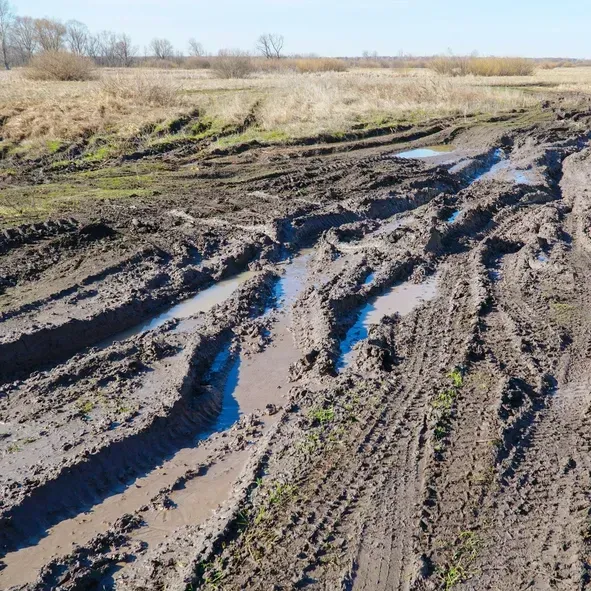
Western North Carolina properties face consistent rainfall and sloped terrain that send water exactly where it shouldn't go—against foundations, across driveways, and into low spots that turn into swamps after every storm. Rock Solid Grading and Excavating handles drainage solutions in Rutherfordton by reshaping how water moves across your land, installing systems that redirect flow before it pools or erodes. You'll see water move away from structures instead of collecting near them, and areas that stayed wet for days after rain will dry out within hours.
The work involves adjusting grades to create intentional slopes, installing catch basins or French drains where water accumulates, and routing runoff to safe discharge points away from buildings and paved surfaces. Properties on hillsides require different approaches than flat lots with clay soil—the solution depends on where water enters your property, how much volume arrives during heavy rain, and what currently fails when storms hit.
Schedule a drainage assessment to identify specific water movement patterns on your property.
What Proper Drainage Work Accomplishes
Rock Solid Grading and Excavating evaluates how water currently behaves during rain events, noting where it enters, where it slows, and where it causes problems. Grading adjustments change the land's surface angle to guide runoff toward planned collection points, while drainage systems—whether surface channels or buried pipe networks—carry that water to areas where it can safely disperse or drain into existing ditches and streams.
After installation, you'll notice that driveways no longer wash out along the edges, foundation walls stay dry instead of showing water stains, and landscaping beds don't flood every time it rains hard. Basement moisture problems often stop entirely once exterior grading pushes water away from the house, and lawn areas that used to stay soggy enough to prevent mowing will firm up quickly after storms pass.
The approach also considers long-term maintenance—systems are designed with cleanout access points and slopes that prevent sediment buildup, so drainage continues working season after season without constant intervention. For properties with multiple problem areas, phased installation addresses the most critical zones first, then extends coverage as needed.
Property owners in Rutherfordton and surrounding mountain communities often ask similar questions before drainage work begins, especially when they've dealt with water problems for years without knowing how to fix them permanently.
Questions Before Starting Your Project
What causes water to pool in certain areas after it rains?
Clay-heavy soils common in this region don't absorb water quickly, so runoff from higher ground collects in low spots where the surface is level or slightly concave, and without a defined path to follow, it just sits there until it evaporates or slowly seeps downward.
How does grading adjustment differ from installing drainage pipes?
Grading changes the land's surface to move water using gravity and slope, which works well for managing sheet flow across open areas, while pipe systems collect and channel concentrated water volumes from specific problem zones like downspouts, driveway edges, or swales that gather runoff from large sections of hillside.
When should I address drainage issues on my property?
The best time is before you see foundation cracks, driveway erosion, or basement moisture—but if those problems already exist, fixing drainage now prevents them from worsening and often allows other repairs to last since water won't keep attacking the same spots.
Why do some properties in Western North Carolina need more extensive drainage than others?
Slope steepness, soil composition, and how much watershed area drains across your land all affect water volume and speed—a property at the base of a hill collects runoff from everything above it, while one on a ridgeline might only deal with what falls directly on it.
What's included in a drainage system installation?
It typically includes excavation for pipes or channels, placement of perforated drain lines or solid conveyance pipes, backfill with gravel to allow water entry, and grading work to direct surface flow into the system, with outlet points positioned to discharge away from structures and neighboring properties.
Rock Solid Grading and Excavating evaluates drainage challenges across Rutherfordton properties where mountain terrain and rainfall patterns create persistent water management issues. Request a site evaluation to map water flow and identify the most effective solution for your land.