Clearing That Preserves Property Potential
Land Clearing in Rutherfordton for wooded lots ready for construction or expansion
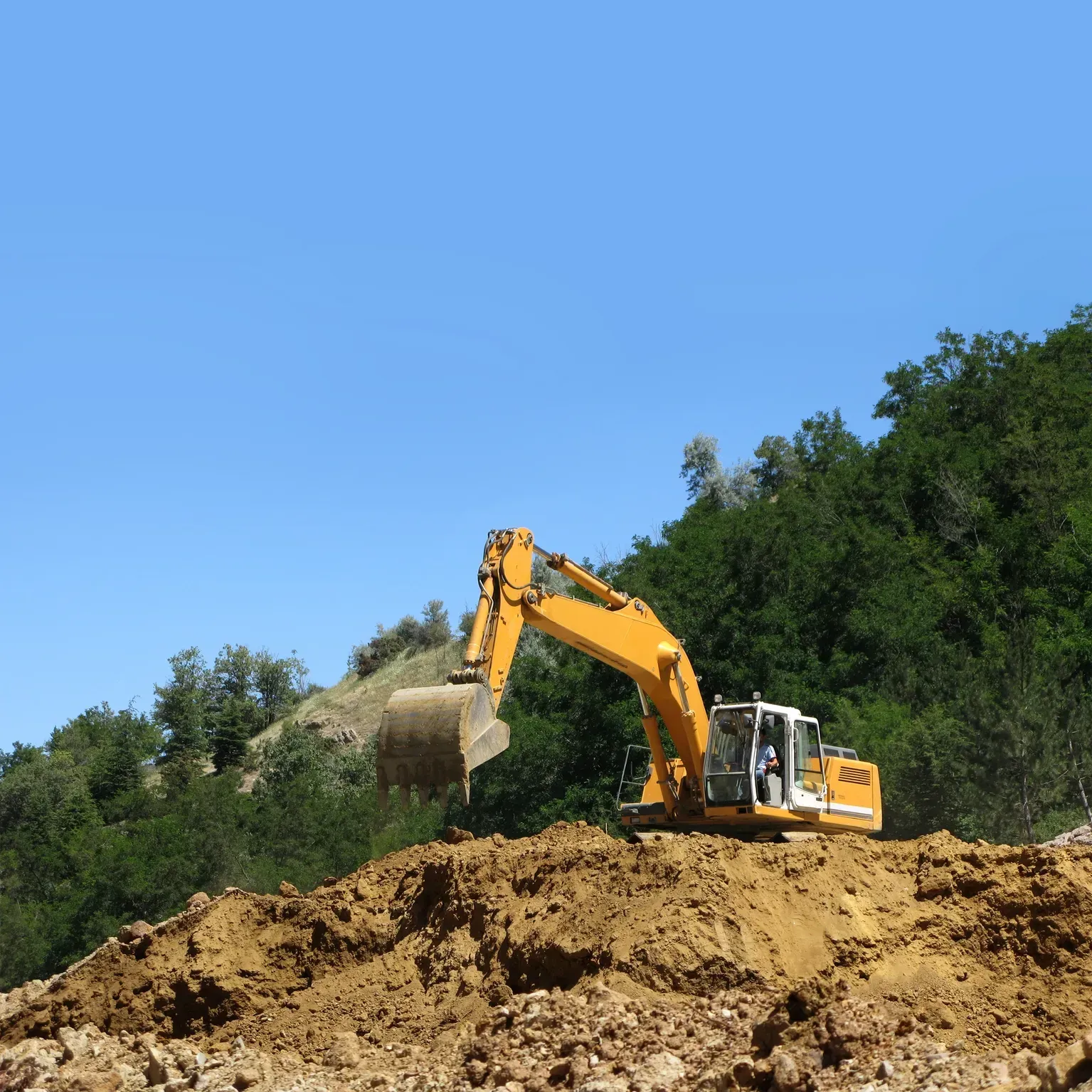
Wooded and overgrown areas common in this region require systematic removal of trees, brush, and debris before construction equipment can access building sites or grading work can establish proper drainage slopes. Rock Solid Grading and Excavating clears land for new home sites, property expansions, and maintenance projects in Rutherfordton, removing vegetation efficiently while preserving usable land features when project plans allow. The goal is preparing properties for safe and effective construction without unnecessary disturbance to areas outside the work zone.
Clearing operations involve felling trees in controlled directions to avoid damaging nearby structures or desirable vegetation, removing stumps to grade level or below depending on planned land use, and grinding or hauling brush and limbs off-site. Selective clearing leaves mature trees that provide shade or erosion control while opening sight lines and access routes, whereas full clearing removes all vegetation down to bare soil for maximum flexibility in site layout.
Request a free clearing estimate to determine the scope and timeline for preparing your property.
What Changes After Land Clearing Completes
Land clearing for residential projects removes surface obstacles that prevent grading equipment from establishing consistent slopes, eliminates root systems that interfere with foundation excavation or utility trenching, and creates clear sightlines across the property so building placement can be finalized. Mulching attachments grind smaller vegetation into chips that decompose naturally, while larger timber may be cut into firewood lengths or removed entirely depending on homeowner preference and project requirements.
After clearing, the building site is accessible to excavation and grading equipment, property boundaries and topography are visible for accurate surveying, and construction staging areas can be established without navigating through dense undergrowth. The land surface shows fewer trip hazards and fire fuel loads, and rainwater reaches the soil directly rather than being intercepted by thick brush that slows absorption and increases runoff velocity.
Clearing work is often staged to match construction timelines—removing only what's necessary for immediate foundation work while leaving perimeter vegetation intact until final grading begins. This approach minimizes erosion on cleared areas and reduces the window between clearing and soil stabilization through grading or landscaping.
Homeowners preparing wooded land for development often have questions about clearing methods, debris handling, and how much vegetation to remove.
What Property Owners Usually Ask
What happens to stumps after trees are removed?
Stumps can be ground below grade so topsoil covers the area for landscaping, cut flush with the surface if the area will remain wooded or natural, or excavated entirely if the location will support a foundation, driveway, or utility line that requires stump-free soil.
How is cleared debris managed during the project?
Brush and limbs are typically chipped on-site and spread as mulch in designated areas, hauled to disposal facilities, or stockpiled for the property owner to process, while logs may be cut for firewood, milled for lumber, or removed depending on tree species and homeowner interest.
What should I preserve during land clearing?
Property corners marked by survey stakes, specimen trees with desirable characteristics, natural drainage features that will be incorporated into grading plans, and buffer vegetation along property lines all benefit from identification before clearing begins to avoid accidental removal.
When is the best time to clear land in this area?
Late fall through early spring allows easier equipment access on firm ground and reduces impact on nesting wildlife, though clearing can proceed year-round if project timelines require it and weather permits equipment operation without excessive rutting.
How does clearing prepare land for construction?
Removing vegetation eliminates root decay zones that cause settling under foundations, clears sight lines for accurate building placement and utility routing, and exposes soil conditions so grading plans can address rock outcrops, wet areas, or fill requirements before construction begins.
Rock Solid Grading and Excavating provides site visits to assess vegetation density, identify features worth preserving, and develop clearing plans that align with your construction schedule and budget. Contact us to arrange a property evaluation and receive a detailed clearing estimate.