Systems Designed for Long-Term Function
Septic Installation in Rutherfordton for rural properties without municipal sewer access
Rural properties in areas without municipal sewer connections depend on septic systems that treat household wastewater on-site using soil absorption and bacterial decomposition, requiring careful installation that matches system capacity to household size and soil percolation rates. Rock Solid Grading and Excavating installs residential septic systems in Rutherfordton, working with land conditions to meet local health department regulations and ensure proper function over decades of use. Installation precision determines whether the system processes waste efficiently or fails prematurely due to improper tank placement, drain field slope, or inadequate soil coverage.
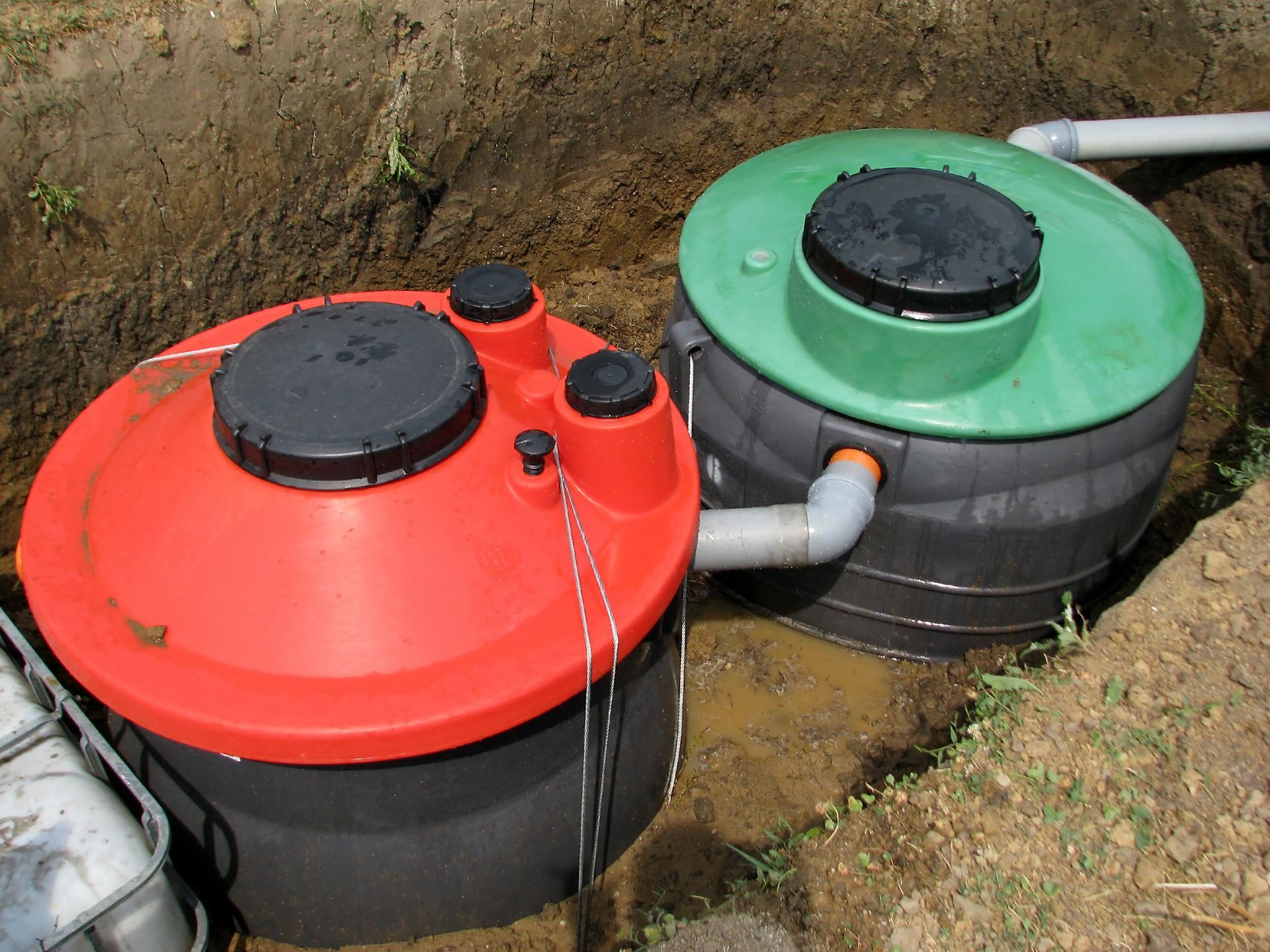
Septic installation involves excavating tank locations to specified depths, setting tanks level so baffles function correctly and waste stratifies properly, and trenching drain field lines at precise slopes that distribute effluent evenly without pooling or surfacing. Soil percolation testing conducted during site evaluation determines drain field sizing and layout, since clay-heavy soils absorb wastewater more slowly than sandy soils and require larger absorption areas to prevent system overload.
Schedule a consultation to review system planning requirements and arrange a site evaluation for your property.
What Proper Septic Installation Requires
Installing residential septic systems requires setting tanks on undisturbed soil or compacted gravel bases so settlement doesn't crack tank walls or separate inlet and outlet connections, laying drain field lines with one to two percent slope so effluent flows by gravity without backing up, and covering components with specific soil depths that allow filtration while preventing surface contamination. Installers verify tank orientation so access risers align with grade for future pumping, test system levels before backfilling to confirm proper flow, and compact backfill carefully to avoid disturbing tank positions or crushing distribution pipes.
After installation completes, waste flows from the house through the septic tank where solids separate and settle, then effluent distributes evenly through drain field trenches where soil bacteria break down remaining contaminants before water percolates into the ground. The system operates passively without pumps or filters requiring frequent maintenance, and the yard surface above the drain field remains dry and usable for landscaping. Properly installed systems function reliably for twenty to thirty years before tank replacement or drain field renovation becomes necessary.
Septic work includes coordinating health department inspections at required stages, providing site maps that show tank and drain field locations for future reference, and ensuring installation meets setback requirements from wells, property lines, and surface water. Some properties require alternative system designs if conventional drain fields won't fit or soil conditions prevent adequate absorption.
Homeowners installing septic systems on rural land often have questions about system sizing, site requirements, and maintenance expectations.
Questions Before Starting Your Project
What determines septic system size for my property?
Tank capacity is based on household bedroom count as a proxy for wastewater volume, while drain field size depends on soil percolation rates measured during testing—slower-draining soils require more trench length to absorb the same daily effluent volume.
How does soil type affect septic installation in this area?
Clay-rich soils common in Rutherfordton absorb water slowly and may require larger drain fields or alternative designs like mound systems that raise absorption areas above natural grade, while rockier soils may need specialized trenching equipment to reach required depths without damaging distribution pipes.
What should I expect during the installation process?
Installation typically takes three to five days including excavation, tank and line placement, inspection, and backfilling, though timeline varies with system complexity, soil conditions, and weather that affects equipment operation and trench stability.
How do I maintain a septic system after installation?
Routine pumping every three to five years removes accumulated solids that reduce tank capacity, avoiding excessive water use prevents drain field saturation, and keeping vehicles and heavy equipment off the drain field area prevents soil compaction that reduces absorption efficiency.
What documentation will I receive after installation?
Installation includes an as-built site plan showing tank and drain field locations with measurements from permanent landmarks, health department approval documentation, and maintenance recommendations specific to your system design and household size.
Rock Solid Grading and Excavating handles soil testing, permit coordination, and installation to ensure your septic system meets regulatory requirements and site-specific conditions. Request a site evaluation to discuss system options and receive an installation estimate tailored to your property.