Ground Preparation That Supports Structural Integrity
Excavation in Rutherfordton for properties with sloped terrain and challenging soil conditions
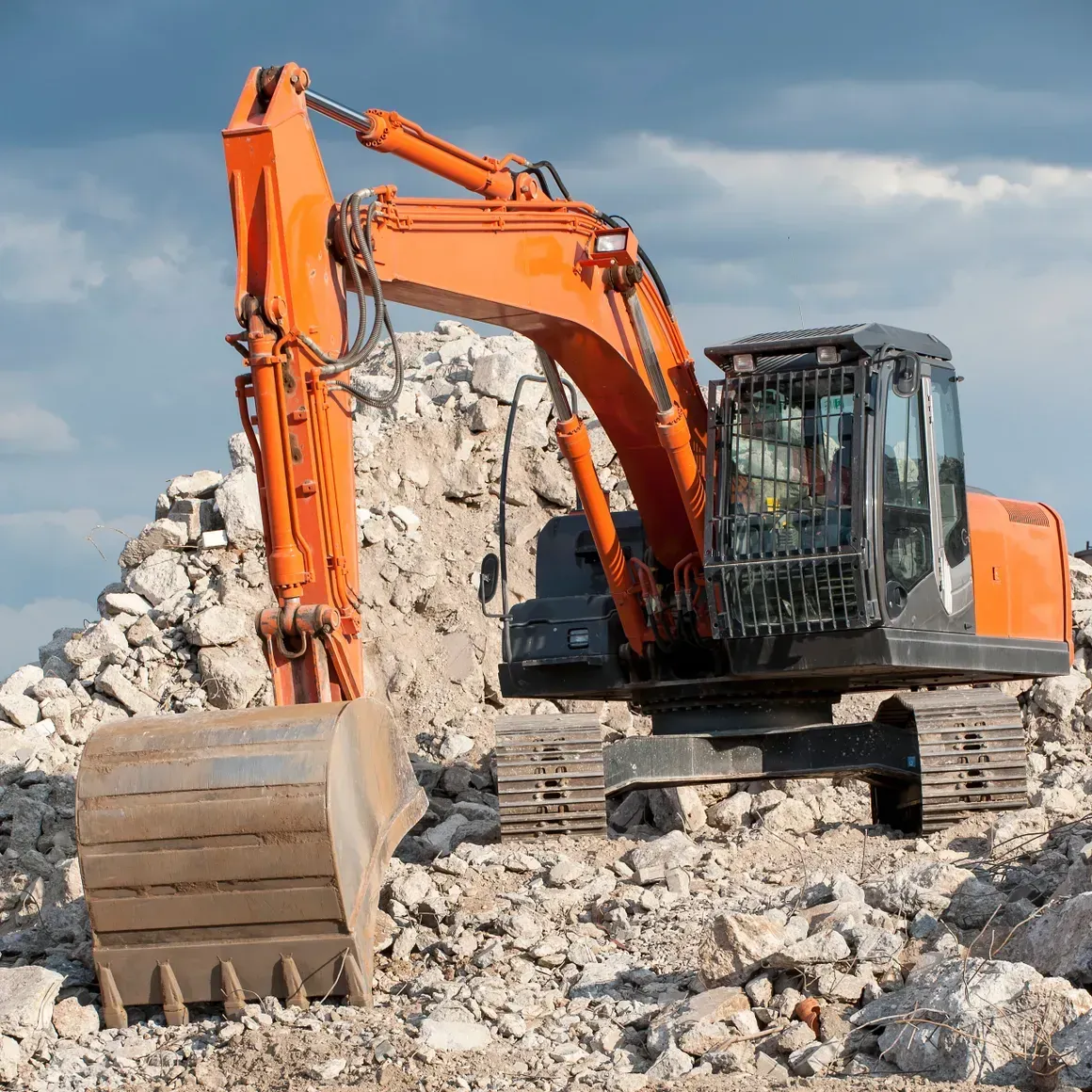
Preparing land for a foundation, utility line, or addition requires removing soil in precise depths and dimensions so structural elements sit on stable, undisturbed earth. Rock Solid Grading and Excavating handles trenching, foundation digging, and general earthmoving for residential projects in Rutherfordton, adapting techniques to the local soil conditions and terrain common across the region. When excavation work accounts for variations in clay content, rock layers, and slope angles, the building pad or trench maintains its shape and supports the load placed on it.
The process involves marking utility lines, determining excavation depth based on foundation specifications or pipe slope requirements, and removing soil in layers to avoid undermining adjacent areas. In regions with variable soil composition, operators adjust bucket angles and digging patterns to handle transitions between loose topsoil and dense subsoil or fractured rock. Proper excavation prevents settlement issues that lead to cracked foundations or misaligned utility connections.
Request a free estimate to review excavation requirements for your building site or utility installation.
Why Excavation Depth and Wall Stability Matter
Excavation work for residential projects typically involves digging foundation footings to specified depths below the frost line, trenching for water and sewer lines with gradual slopes that maintain flow, and creating level building pads by cutting into hillsides or removing unstable fill. Each task requires managing trench wall stability—sloped or shored walls prevent collapse during concrete pours or pipe placement, and compacted base layers ensure the structure doesn't settle unevenly over time.
After excavation is complete, you'll notice the building pad sits level and firm, trenches hold their shape without slumping, and excavated areas drain away from the work zone rather than collecting water. Footings poured into properly excavated trenches cure without voids or shifting, and utility lines installed in graded trenches maintain consistent slope without dips that trap waste or air pockets that restrict flow.
Rock Solid Grading and Excavating coordinates excavation timing with construction schedules, stages soil removal to minimize site disruption, and preserves topsoil for later grading when the project allows. The work includes hauling excess material off-site or redistributing it to low areas, depending on the property layout and project scope.
Homeowners preparing for construction or utility work often ask about excavation methods, timing, and site-specific factors that affect the process.
Questions Before Starting Your Project
What happens before excavation begins?
Utility lines are located and marked, excavation boundaries are staked based on building plans or utility routes, and access paths are cleared for equipment to reach the work area without damaging existing landscaping or structures.
How does soil type affect the excavation process?
Clay-heavy soils common in Rutherfordton require different digging angles and may need longer drying periods after rain, while rocky subsoil may require hydraulic hammers or rock saws to reach specified depths without damaging equipment or creating uneven trench floors.
What should I look for in properly excavated foundation trenches?
Trench floors should be level and free of loose soil or standing water, walls should maintain their shape without crumbling, and dimensions should match foundation plans so formwork fits without gaps or overhangs.
When is the best time to schedule excavation work?
Dry weather periods allow soil to compact naturally and equipment to operate without creating ruts, while late fall and winter excavation in this region may encounter frost delays or require additional trench protection during cold snaps.
How is excavated soil managed during the project?
Topsoil is typically stockpiled separately for finish grading, subsoil is used as structural fill if suitable, and excess material is either redistributed on-site to fill low areas or hauled away depending on volume and project needs.
Rock Solid Grading and Excavating provides project consultations that review site conditions, excavation scope, and construction timelines to ensure land preparation aligns with your building plans. Schedule a site evaluation to assess excavation needs and receive a detailed estimate.